Best BCAA Supplements for Enhanced Performance and Recovery?
Bcaa Supplements, or branched-chain amino acids, have gained substantial popularity in the fitness community. According to a report by the International Society of Sports Nutrition, BCAAs can significantly enhance muscle growth and recovery. These supplements are widely recognized for their role in reducing muscle soreness and promoting protein synthesis.
Studies have shown that around 25% of the essential amino acids in muscle proteins come from BCAAs. This highlights their importance in supporting athletic performance. However, the market is saturated with options. Not all BCAA supplements offer the same quality or effectiveness.
Consumers must choose wisely. Transparency in ingredient sourcing and research-backed formulations are crucial. Some brands might prioritize marketing over efficacy. As the BCAA supplement industry continues to grow, staying informed about credible options will ensure optimal performance and recovery for athletes and fitness enthusiasts alike.
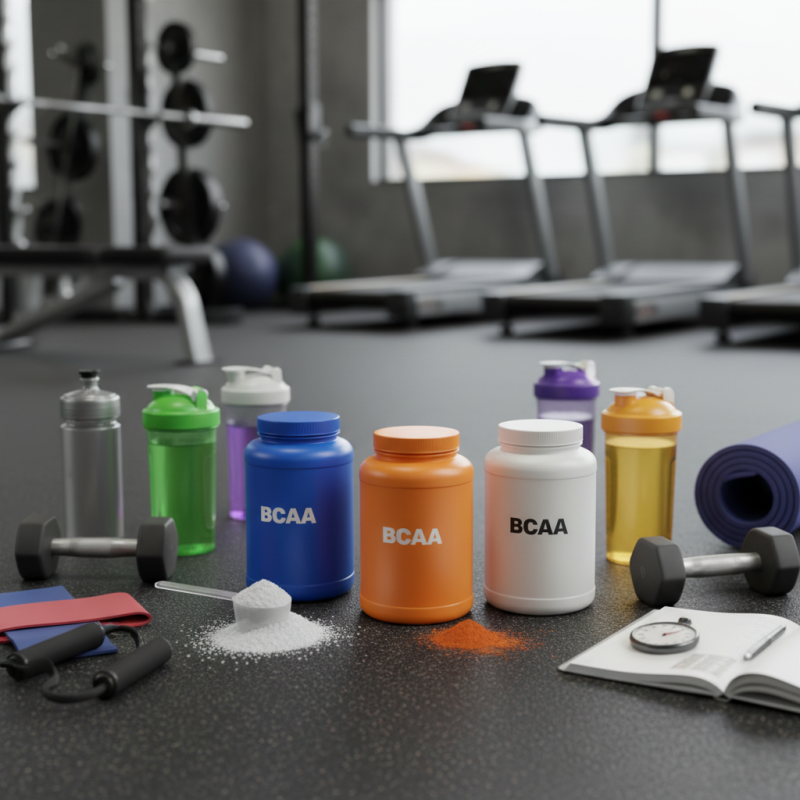
Benefits of BCAA Supplements for Athletic Performance Enhancement
BCAA supplements play a crucial role in enhancing athletic performance. Research shows that branched-chain amino acids—leucine, isoleucine, and valine—can improve muscle recovery. In a study by the Journal of Sports Medicine, participants who took BCAAs experienced a 22% reduction in muscle soreness after intense workouts.
Additionally, BCAAs can help in reducing fatigue during exercise. A meta-analysis published in the Journal of Strength and Conditioning Research highlighted that BCAAs may decrease perceived exertion. This allows athletes to train harder and longer. Engaging in longer training sessions may lead to better overall performance.
However, results can vary based on individual responses. Some athletes might not notice significant changes. It’s essential to track how your body reacts over time. Monitoring performance and recovery can provide insights into the effectiveness of BCAAs. Balancing BCAA intake with other nutrients is crucial for optimal results. Consuming a well-rounded diet can further support athletic goals.
Scientific Evidence Supporting BCAA for Muscle Recovery and Growth
Branched-chain amino acids (BCAAs), including leucine, isoleucine, and valine, play a crucial role in muscle recovery and growth. Research shows that BCAAs stimulate protein synthesis, which is vital for repairing damaged tissues after intense exercise. They can also reduce muscle soreness and fatigue. This effect is especially important for athletes engaged in strenuous workouts.
A study published in a reputable journal confirmed that BCAAs can decrease exercise-induced muscle damage. Participants who consumed BCAAs experienced less soreness. This suggests they offer a tangible benefit for those seeking to enhance their athletic performance. However, individual responses to BCAA supplementation can vary. Not everyone may experience the same level of recovery or growth.
It's worth noting that while BCAAs are beneficial, they are not a magic solution. Whole food sources of protein contain BCAAs alongside other important nutrients. Relying solely on supplements may overlook these benefits. It's essential to assess your overall diet and needs before diving into supplementation. A balanced approach is key to achieving optimal results in muscle recovery and growth.
Optimal Dosage and Timing for BCAA Supplementation in Workouts
When considering BCAA supplementation, timing and dosage are crucial for maximizing benefits. Research suggests consuming BCAAs before or during workouts is effective. This timing helps reduce muscle breakdown during intense training. Another solid option is to take BCAAs after workouts, aiding recovery and muscle protein synthesis.
The recommended dosage typically ranges from 5 to 10 grams per serving. However, individuals may need to adjust based on workout intensity and personal goals. It's important to remember that not everyone's body responds the same way. Some may feel little difference, while others notice significant gains. Experimentation can lead to a tailored approach that works best.
Moreover, proper hydration plays a vital role in BCAA absorption. Dehydration can hinder the effectiveness of supplements. Therefore, monitor your water intake alongside BCAA use. Reflecting on personal experiences can help identify the best routine for you. Listen to your body; it often provides the best feedback on what works.
Comparative Analysis of Popular BCAA Products on the Market
When comparing popular BCAA supplements, it’s essential to look at several factors. Each product may contain different ratios of leucine, isoleucine, and valine. The effectiveness often hinges on these ratios. For example, higher leucine content is associated with muscle protein synthesis. However, not all athletes respond the same way. Individual results can vary based on personal goals and workout intensity.
Another aspect to consider is the presence of additional ingredients. Some products incorporate electrolytes or vitamins. These can enhance hydration and recovery times. Yet, sometimes, these additions may lead to digestive issues. It's crucial to listen to your body. After trying a new supplement, monitor how you feel during workouts. Does energy improve? Is recovery time shorter? These reflections can help you decide if a product is right for you.
Lastly, reading user reviews can reveal common experiences. Many share how certain products worked well for them, while others report disappointments. Pay attention to these insights. They offer valuable information beyond what a label claims. In the end, the best BCAA supplement for you is one that fits your unique needs and lifestyle. Keep experimenting and researching to make informed choices.
Best BCAA Supplements for Enhanced Performance and Recovery
This bar chart compares the performance and recovery benefits of different BCAA supplement formulations based on their essential amino acid ratios and effectiveness ratings derived from user reviews.
Potential Side Effects and Considerations of BCAA Use in Fitness
BCAAs, or branched-chain amino acids, offer benefits for athletes and gym enthusiasts. However, it's essential to understand their potential side effects. While many use BCAAs to enhance workout performance, some experience adverse reactions. Common issues include gastrointestinal discomfort, fatigue, and headaches. Monitoring your body's response is vital.
Some users report increased muscle soreness despite taking BCAAs. This contradiction can lead to frustration. It's essential to evaluate whether the supplement suits individual needs. Not everyone responds positively. Pregnant or nursing women should approach BCAA use with caution. Consulting a healthcare professional before starting supplements is beneficial.
Moreover, potential interactions with medications require attention. Individuals on specific treatments may face unexpected reactions. Being informed and cautious reassures anyone considering BCAAs. Knowledge is power in supplement selection. Always prioritize listening to your body and adjusting as necessary.


