10 Best Surgical Items You Need for a Successful Procedure?
In any surgical procedure, the right surgical items are crucial for success. Surgeons rely on a variety of tools to ensure precision and safety. Each item plays a unique role in the operating room, from scalpels to sutures. Quality matters, as subpar tools can compromise outcomes.
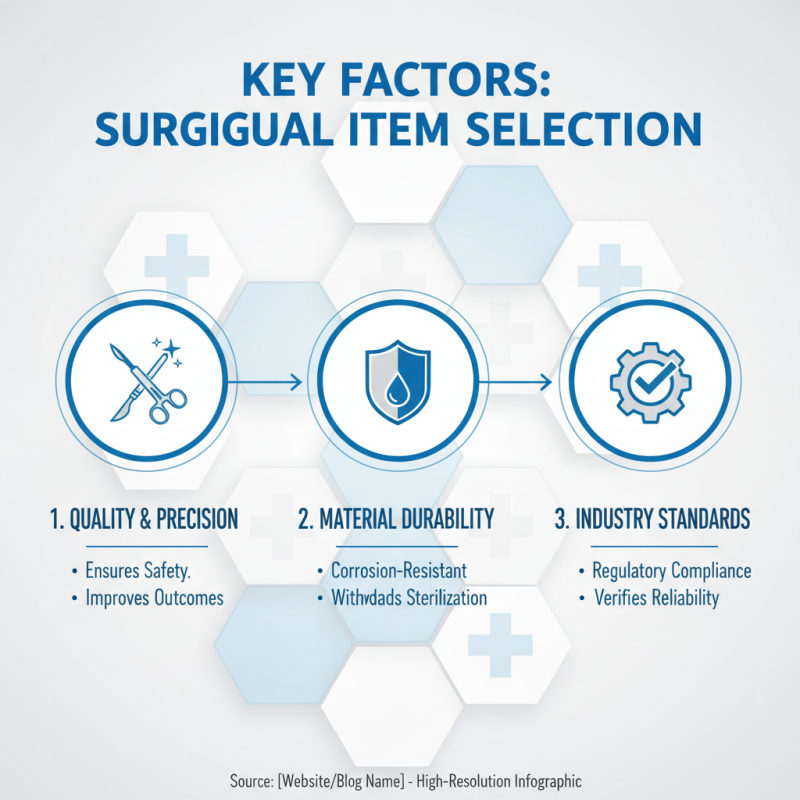
Selecting these surgical items involves experience and expertise. It’s not just about having a full kit; it's about having the right items. For example, a sharp scalpel can make incisions smoother. Conversely, dull blades can lead to complications. Additionally, proper sterilization is essential to avoid infections.
However, it’s easy to overlook some items. Surgeons may focus too much on primary tools and neglect others. This could affect overall efficiency. Continuous learning about new tools and techniques is vital in surgery. Each procedure offers lessons that can improve future practices. Recognizing the importance of each surgical item can enhance a surgeon's skill and benefit patient outcomes.
Essential Surgical Instruments for Every Procedure
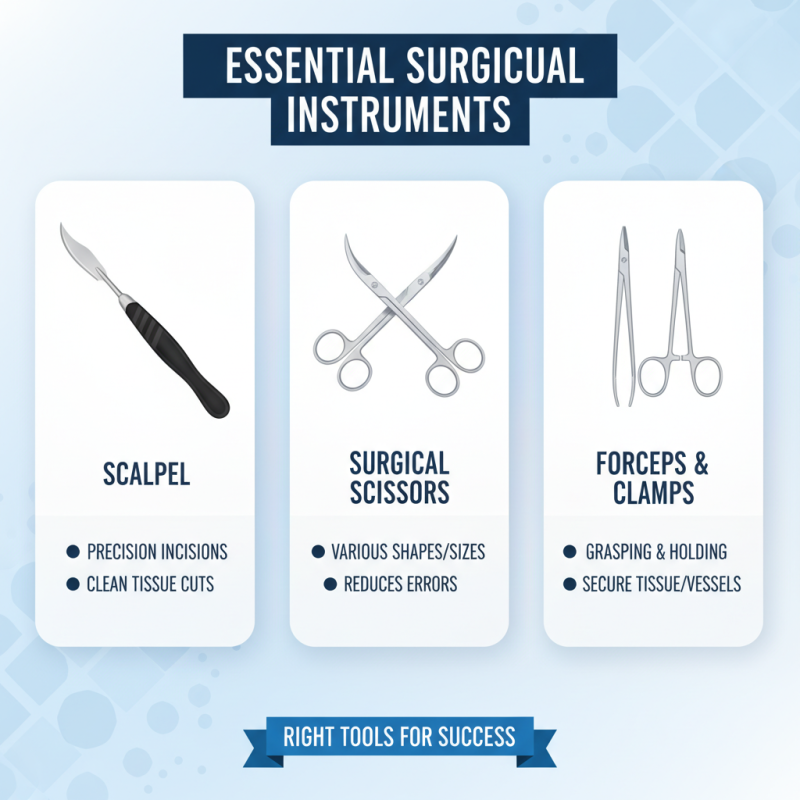
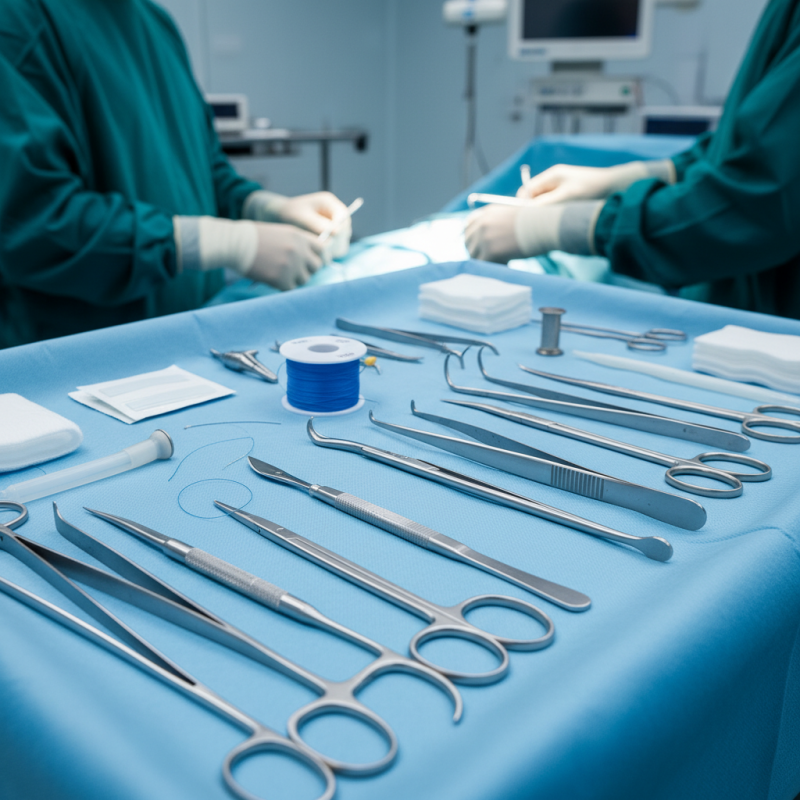
In any surgical setting, having the right tools is crucial for success. Surgical instruments are designed for precision and safety. A scalpel, for example, allows for neat incisions. Its sharp blade cuts through tissues efficiently. A pair of scissors is equally important. They come in various shapes and sizes for different tasks. This specificity helps reduce errors during the procedure.
Clamps and forceps are also essential. Clamps help control blood flow, while forceps assist with tissue manipulation. Their design ensures a firm grip without causing unnecessary damage. Suction devices are vital too. They keep the surgical area clear, improving visibility. The need for effective suction cannot be overlooked; obstructed views can lead to complications.
It's important to remember that even with the best instruments, success isn't guaranteed. Surgeons must remain adaptable. Occasionally, issues arise that require quick thinking. Instruments can malfunction or might not perform as expected. The capacity to rely on experience and improvisation matters greatly. Each procedure is a learning opportunity. The right mindset can turn challenges into valuable insights.
Understanding the Importance of Sterilization in Surgical Tools
Surgical procedures demand utmost precision and care. Sterilization of surgical tools is crucial for preventing infections. Tools that are not properly sterilized can harbor harmful bacteria. This can lead to serious complications for patients. Every healthcare professional must prioritize the sterilization process. It is not just a routine; it's essential for patient safety.
The steps of sterilization are well-defined. High-pressure steam, ethylene oxide gas, and chemical disinfectants are common methods. Each method has its own protocols and safety measures. However, it's important to remember that human error can occur. A dropped tool or an incomplete cycle can compromise the entire process. Regular training and strict adherence to guidelines can mitigate these risks.
Maintaining a sterile environment goes beyond tools alone. It encompasses the entire surgical setting. Staff must wear sterile gowns and masks. Even small lapses in this protocol can lead to dire consequences. Healthcare professionals should continually reassess their sterilization practices. Continuous learning and improvement are vital for success in surgery.
A Comprehensive Guide to Maintaining Surgical Equipment
Surgical equipment requires constant care and attention for optimal performance. Every item should be meticulously cleaned after each use. This helps prevent infections and ensures patient safety. Regular sterilization is also critical. It eliminates harmful microorganisms that can lead to serious complications.
Proper storage is essential. Instruments should be organized to prevent damage. This not only saves time but also enhances workflow in the operating room. Checking for signs of wear is crucial. Dull blades or bent instruments can compromise surgical precision. Regular audits can help identify these issues.
Training staff on proper handling is vital. Everyone must understand how to use each tool effectively. Yet, mistakes happen, and it is important to recognize the areas needing improvement. Conducting simulations can highlight weaknesses in the team's skills. Create an environment for discussing errors openly, fostering growth and learning. This proactive approach will ultimately lead to safer surgical procedures.
10 Best Surgical Items You Need for a Successful Procedure
This bar chart illustrates the importance of various surgical items that are essential for conducting successful medical procedures. Each item is rated based on its significance, showcasing the top 10 necessary tools.
Innovative Technologies in Modern Surgical Instruments
In the realm of modern surgery, innovative technologies have transformed the landscape of surgical instruments. Recent industry reports indicate that the surgical instrument market is projected to reach $12 billion by 2025, driven by advancements in minimally invasive techniques. Surgeons today rely on high-definition cameras, robotic-assisted systems, and advanced suturing devices to enhance precision and reduce recovery times. For example, laparoscopic surgeries facilitated by these tools can reduce hospital stays by 30% compared to traditional methods.
When incorporating new surgical instruments, surgeons should carefully evaluate their efficacy. Not every innovative tool meets the required standards. Regular training on the use of new technologies is essential. Studies reveal that 30% of surgical complications arise from improper use of instruments. Implementing consistent training can significantly mitigate this risk.
Ensuring proper maintenance of surgical tools is crucial. According to the CDC, nearly 15% of surgical instruments may harbor pathogens if not sterilized correctly. Regular cleaning protocols can prevent infection and enhance patient safety. Surgeons should also be aware of the evolving technological landscape, as outdated equipment can hinder overall procedural success. Embracing innovation while maintaining rigorous standards is key to successful outcomes in surgical practices.