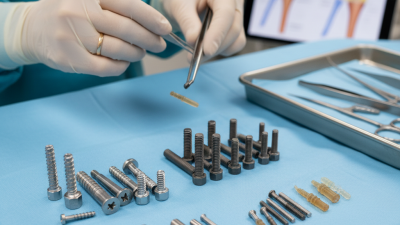
Top Bone Screws for Global Buyers What You Need to Know?
In the world of orthopedic surgery, bone screws play a crucial role in stabilizing fractures. They are essential tools for surgeons, providing support and facilitating healing. But choosing the right bone screws can be complex. With numerous options available, global buyers must navigate through various types and specifications.
Quality matters when it comes to bone screws. Using reliable materials can significantly impact patient outcomes. Some screws are made from titanium for its strength and corrosion resistance. Others feature different coatings to enhance biocompatibility. Each choice carries its own benefits and risks, which demands careful consideration.
Understanding the market landscape is essential. International standards dictate manufacturing practices. However, not all suppliers meet these criteria. Some might prioritize cost over quality, leading to potential failures in critical situations. Buyers need to assess suppliers thoroughly, focusing on their track records and certifications. This process may uncover both trustworthy options and less reliable ones, emphasizing the need for informed decision-making.
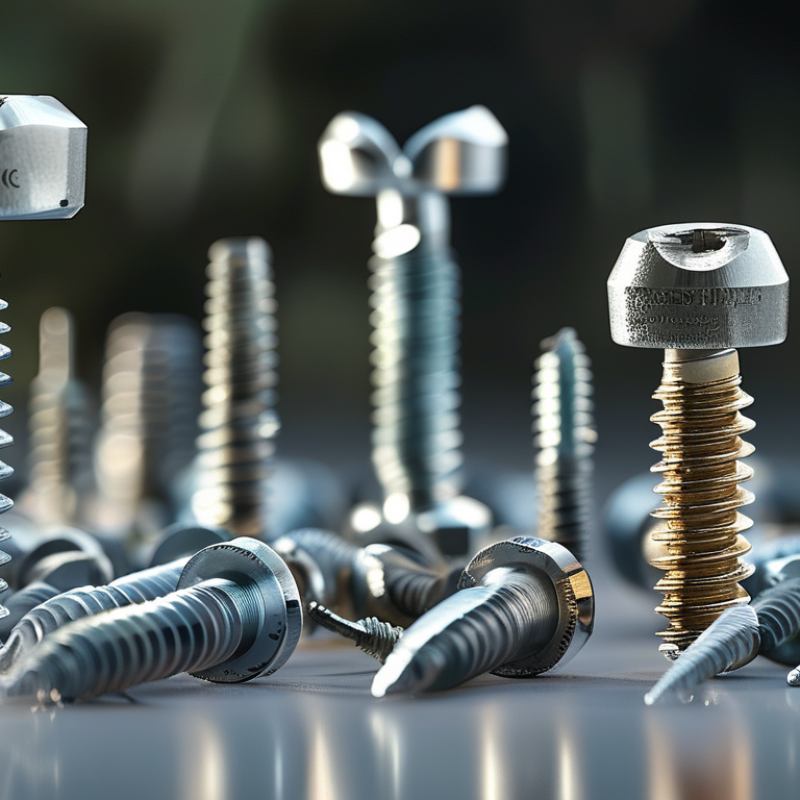
Understanding Bone Screws: Types and Applications
Bone screws are essential in orthopedic surgeries. They help stabilize bones during healing. Understanding the different types and their applications is crucial for global buyers.
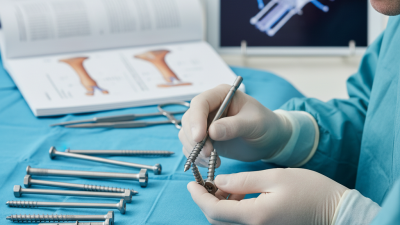
There are various types of bone screws. For instance, cortical screws are used in dense bone. They provide excellent stability and are often used for fracture fixation. Cancellous screws, on the other hand, are designed for softer, spongy bone. They have a wider thread, which enhances grip in less dense material. Each type has specific uses based on the bone's condition and location.
Tips: Always ensure the right screw is selected for the procedure. Consider factors like bone density and the type of fracture. Consulting with a surgical expert can ensure the best outcomes.
Despite advancements, not all bone screws perform well in every scenario. Surgical techniques evolve, but complications can occur if the wrong screw is chosen. It's essential to continually learn and adapt in this field. Regular training sessions can benefit both buyers and surgeons alike.
Key Factors to Consider When Choosing Bone Screws
When choosing bone screws, several key factors come into play. The material of the screws is vital. Stainless steel and titanium are the most common options. They offer strength and corrosion resistance. However, each material has specific properties. For instance, titanium is lighter and promotes better healing.
Another important aspect is the screw design. Some screws feature a self-tapping design, while others are designed for pre-drilled holes. Understanding the surgical technique being used is crucial. Some procedures may require specific designs for optimal outcomes. Surgical experience often influences the choice of screw as well. An experienced surgeon may have preferences based on past procedures.
The size and length of the screws are also critical. Proper sizing ensures stability in the bone structure. A screw that is too long or too short can lead to complications. Many surgeons emphasize the importance of trying various options before settling on a final choice. It's not always straightforward, and situations can change during surgery. Ongoing evaluation of preferences in different scenarios can enhance outcomes and patient care.
Material Composition: Titanium vs. Stainless Steel Screws
When choosing bone screws, the material composition is crucial. Titanium and stainless steel screws each have unique properties.
Titanium screws are lighter and have excellent corrosion resistance. They are more biocompatible and less likely to cause an allergic reaction.
Studies indicate that titanium has a fatigue limit significantly higher than that of stainless steel, making it suitable for load-bearing applications.
Stainless steel screws are more cost-effective and provide good mechanical strength. They are widely used due to their availability and ease of processing.
However, stainless steel can be prone to corrosion in certain environments.
A report by the Journal of Orthopaedic Research shows that titanium screws have a lower failure rate than stainless steel under cyclic loading conditions.
Tips: Always consider the specific application for your screws. Assess the patient's health and potential allergic reactions to materials.
Another essential factor is the screw's environment. For surgeries involving high-stress areas, titanium may be the better choice.
However, for less critical applications, stainless steel remains a viable option. Balancing cost, performance, and patient safety is vital in selecting the right material.
Global Market Trends in Bone Screw Manufacturing
The global market for bone screws is witnessing significant transformation. According to a recent industry report, the market is expected to grow by 8.5% annually through 2026. This growth is driven by advancements in material technology and rising orthopedic surgeries. High-strength titanium and stainless steel are increasingly favored due to their durability and biocompatibility. However, there are ongoing concerns about the long-term efficacy of some materials in corrosive bodily environments.
Emerging economies are contributing notably to this trend. Countries in Asia-Pacific are expanding their manufacturing capabilities, which leads to competitive pricing. For instance, China's bone screw production volume is projected to rise, tapping into the growing domestic surgical market. This shift offers global buyers an array of options, yet it also introduces variability in quality.
Tip: When evaluating suppliers, prioritize those with ISO certifications. Such standards ensure adherence to quality management principles. Ensure you assess the suppliers' track records concerning product recalls or defects.
Additionally, sustainability is gaining traction in manufacturing processes. Companies that employ eco-friendly practices in their production methods are increasingly appealing to buyers. There’s a noticeable demand for transparent sourcing and environmentally responsible operations. However, the challenge lies in balancing cost with quality, as not all sustainable practices yield the same level of performance.
Regulatory Standards for Bone Screws in Healthcare Industries
Regulatory standards for bone screws play a vital role in ensuring patient safety. In the healthcare industry, these screws are used in surgeries, particularly in orthopedics. Compliance with regulations is essential. Different regions have varying standards. These dictates often govern material quality, strength, and biocompatibility. Health authorities assess these parameters rigorously.
However, challenges persist. Some manufacturers may struggle to meet all standards. This raises questions about the integrity of certain products. Due diligence is crucial when selecting bone screws. Practitioners must ensure that the screws used in procedures comply with the appropriate regulations. Awareness of the latest standards is necessary. Healthcare professionals should participate in ongoing education. This promotes a better understanding of regulatory changes and advancements.
Furthermore, oversight can falter. Some devices may go unnoticed due to the complexity of regulations. Clinicians must remain vigilant and informed. They should scrutinize the documentation provided by suppliers. Fostering collaboration between regulatory bodies and manufacturers can improve safety outcomes. Sharing knowledge across the sector contributes to overall trust in medical devices. The community must reflect on these issues to optimize patient care.