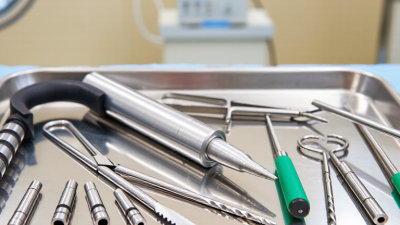
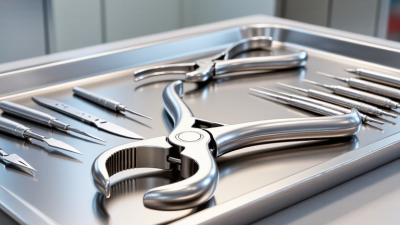
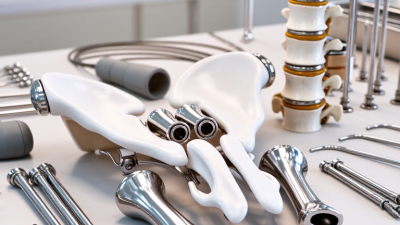
Choosing the right orthopedic instruments name is more than a purchasing exercise. It affects surgical control, operating-room efficiency, patient safety, and long-term value. Global buyers often compare catalogs from different manufacturers, yet similar names may describe different designs, materials, or intended procedures.
This guide, “10 Best Orthopedic Instruments Names for Global Buyers,” introduces essential instruments used in trauma, joint, and reconstructive surgery. It examines practical details, including handle balance, jaw alignment, cutting performance, sterilization compatibility, and traceable quality documentation. A bone rongeur should feel controlled in the hand. An orthopedic drill should maintain stable power without excessive vibration. Small differences matter.
Patient safety comes first.
Dr. William J. Mayo, a pioneer in modern surgery, stated, “The best interest of the patient is the only interest to be considered.” That principle remains relevant when evaluating every orthopedic instrument name, from osteotomes and retractors to bone saws, forceps, plates, and surgical screws. Buyers should review clinical suitability, manufacturing consistency, service support, and regional compliance before making a decision.
No ranking is perfect. Preferences vary between surgeons, hospitals, and procedures. A popular instrument may still perform poorly in unsuitable hands or under weak maintenance practices. This guide therefore avoids treating price or brand visibility as final proof. Instead, it encourages careful comparison, hands-on evaluation, and informed consultation with qualified orthopedic professionals. The right choice is rarely the most impressive-looking one. It is the dependable instrument that supports accurate work, repeatable results, and responsible patient care.
10 Best Orthopedic Instruments Names for Global Buyers
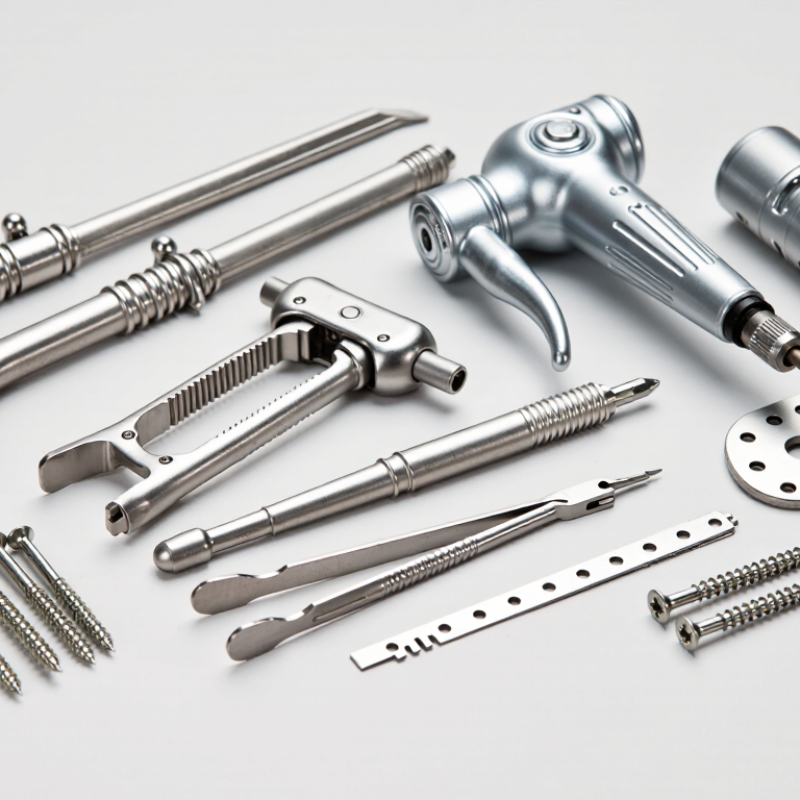
Orthopedic instruments support cutting, shaping, holding, drilling, and repositioning bone. The ten practical names include bone saw, osteotome, rongeur, bone drill, retractor, reduction forceps, bone-holding forceps, intramedullary reamer, mallet, and surgical curette. Each instrument serves a different surgical purpose. A bone saw handles controlled cuts, while a rongeur removes small bone fragments. Reduction forceps help align fractured segments. Surgical curettes remove tissue from a defined cavity.
Categories clarify purchasing decisions. Cutting tools need sharp, durable edges and stable handling. Grasping instruments require secure jaws without damaging bone. Drilling systems need speed control, compatible bits, and reliable sterilization. Grand View Research’s 2024 orthopedic instruments analysis estimated the global market at approximately USD 5.6 billion in 2023. It also projected steady growth through 2030. Demand alone does not prove quality.
Selection requires more than a catalog comparison. Buyers should check stainless-steel composition, surface finish, corrosion resistance, grip comfort, and reprocessing instructions. Confirm measurement accuracy for drills and reamers. Check compatibility with local trays and sterilizers. WHO reports that about one in ten patients experiences harm in healthcare, with more than half considered preventable. Instrument reliability cannot prevent every complication, but poor maintenance can add avoidable risk. Fit matters. So does traceability. A perfect checklist is impossible. In practice, user feedback, repair history, and hands-on testing may reveal weaknesses that specifications hide.
10 Best Orthopedic Instruments Names for Global Buyers
10 Essential Orthopedic Instrument Names for Global Buyers
Selecting orthopedic instruments requires more than checking a catalog. The correct names must match surgical procedures, material quality, and hospital workflow. Ten essential names include the bone saw, osteotome, surgical mallet, bone rongeur, reduction forceps, bone-holding forceps, periosteal elevator, drill guide, cannulated drill bit, and depth gauge.
A bone saw should provide controlled cutting with minimal vibration. An osteotome and mallet require balanced handles and precise edges. Bone rongeurs should remove small bone fragments without excessive crushing. Reduction forceps and bone-holding forceps need secure jaws and smooth locking action. These details affect handling during fracture fixation.
The periosteal elevator should separate tissue with limited trauma. A drill guide improves alignment, while a cannulated drill bit supports guided preparation. A depth gauge helps measure implant-hole depth accurately. Buyers should request material certificates, dimensional drawings, cleaning instructions, and sterilization guidance. Surface finish matters under bright operating lights.
Do not trust names alone.
Specifications can vary between suppliers. A low price may hide weak hinges, poor tolerances, or unclear documentation. Even experienced teams can overlook compatibility with existing trays and sterilizers. Samples should be inspected by surgeons, nurses, and reprocessing staff. That shared review may reveal practical problems before large-volume purchasing.
| No. | Orthopedic Instrument Name | Primary Clinical Use | Common Design Features | Typical Material | Available Size Range | Common Sterilization Compatibility | Key Buyer Considerations |
|---|---|---|---|---|---|---|---|
| 1 | Bone Holding Forceps | Grasping and stabilizing bone fragments during orthopedic procedures. | Curved or straight jaws, locking ratchet, serrated or atraumatic gripping surfaces. | Surgical stainless steel. | Approximately 16–28 cm overall length; jaw sizes vary by application. | Steam autoclave, after validation according to the instrument instructions for use. | Check jaw alignment, locking performance, surface finish, and resistance to repeated sterilization. |
| 2 | Periosteal Elevator | Separating periosteum and soft tissue from the surface of bone. | Single- or double-ended blade with a broad, rounded, or pointed working tip. | Surgical stainless steel. | Approximately 15–30 cm overall length; blade widths commonly range from about 5–25 mm. | Steam autoclave when labeled for reusable surgical use. | Evaluate blade thickness, edge smoothness, handle comfort, and availability of different profiles. |
| 3 | Bone Rongeur | Removing small portions of bone and enlarging or contouring bone openings. | Strong cutting jaws operated by spring handles; straight, angled, or up-biting patterns. | Surgical stainless steel. | Approximately 15–25 cm overall length; various jaw widths and angles. | Steam autoclave if the construction and manufacturer instructions permit it. | Inspect cutting edges, spring action, jaw closure, and ease of cleaning around joints. |
| 4 | Bone Curette | Removing soft tissue, debris, and small bone fragments from a cavity or surgical site. | Spoon-shaped or loop-shaped working end; straight or angled shaft. | Surgical stainless steel. | Approximately 15–25 cm overall length; curette diameters commonly vary from about 2–10 mm. | Steam autoclave for reusable metal instruments, subject to validated processing. | Select the correct cup depth, diameter, shaft angle, and edge design for the intended procedure. |
| 5 | Osteotome | Cutting, splitting, or shaping bone when used with controlled manual force. | Beveled cutting edge, reinforced striking end, and straight or offset shaft. | Hardened surgical stainless steel. | Approximately 15–25 cm overall length; blade widths commonly range from about 3–25 mm. | Steam autoclave when specified for reusable instruments. | Confirm edge hardness, cutting geometry, striking-surface durability, and corrosion resistance. |
| 6 | Gigli Wire Saw | Manual cutting of bone using a flexible wire with reciprocating handles. | Flexible twisted wire with loop handles or detachable handles. | Stainless steel wire; reusable handles may be stainless steel or another validated surgical material. | Wire lengths commonly range from about 30–50 cm; diameter varies by design. | Reusable handles may be steam sterilized; wire configuration must follow the product instructions. | Check flexibility, consistent tooth pattern, handle attachment, packaging, and single-use or reusable status. |
| 7 | Bone Mallet | Delivering controlled impact to osteotomes, chisels, and other orthopedic instruments. | Balanced handle and cylindrical or slightly rounded striking head. | Stainless steel, sometimes with a polymer impact surface where specified. | Approximately 18–30 cm overall length; head weights commonly range from about 200–700 g. | Metal designs are commonly steam compatible; polymer components require specific validation. | Assess balance, handle security, head integrity, impact-surface condition, and total weight. |
| 8 | Bone Lever | Retracting, positioning, or gently levering bone during exposure and reduction. | Broad or narrow blade, curved profile, and rounded or blunt working end. | Surgical stainless steel. | Approximately 18–35 cm overall length; blade widths commonly range from about 8–30 mm. | Steam autoclave for reusable stainless-steel designs. | Review blade curvature, atraumatic edges, handle grip, rigidity, and intended anatomical application. |
| 9 | Reduction Forceps | Temporarily aligning and holding fracture fragments during fixation. | Pointed, serrated, or pointed-and-curved jaws; locking or non-locking handle designs. | Surgical stainless steel. | Approximately 16–32 cm overall length; jaw shape and span vary by bone size. | Steam autoclave after cleaning and inspection according to validated processing instructions. | Check tip geometry, clamping force, hinge movement, locking mechanism, and compatibility with the surgical technique. |
| 10 | Drill Guide | Guiding a drill bit and helping protect surrounding tissue during orthopedic drilling. | Cannulated guide sleeve, tissue-protection flange, and handle or grip section. | Surgical stainless steel; some systems use validated polymer components. | Approximately 10–25 cm overall length; guide diameters commonly range from about 1.5–6.5 mm. | Steam autoclave for reusable designs, subject to cleaning and sterilization instructions. | Verify internal diameter, concentricity, depth markings, compatibility with drill bits, and ease of flushing. |
Note: Dimensions and material descriptions are typical market ranges. Exact specifications, intended use, and sterilization methods must be confirmed in the applicable manufacturer’s instructions for use and local regulatory requirements.
Orthopedic instruments support controlled bone preparation, fixation, and soft-tissue protection. A bone saw offers a rigid blade for clean osteotomy cuts. An osteotome concentrates force during bone splitting or shaping. A surgical mallet delivers measured impact to the osteotome. Reduction forceps hold fractured fragments during alignment. Their serrated jaws need secure grip without excessive tissue pressure.
A bone lever helps expose or reposition fragments during reconstruction. Each instrument should provide balanced handling, clear markings, and reliable material traceability.
A surgical retractor maintains access while protecting nearby tissue. A powered or manual orthopedic drill creates precise holes for fixation systems. Guidewires help establish direction before drilling or implant placement. A cannulated screwdriver transfers torque through a central shaft. A plate bender adjusts fixation plates to match bone contours. Bone rongeurs remove small fragments and reshape irregular edges.
These features serve different applications, from fracture repair to corrective osteotomy. Experienced teams still verify compatibility, sterilization methods, and instrument performance before clinical use.
Specifications alone can mislead.
Tips: Ask for dimensional drawings, material certificates, and cleaning instructions. Check jaw alignment under bright light. Test the grip with gloves. Confirm whether the instrument suits the intended procedure and local requirements. Do not treat a low price as proof of value. A useful checklist can miss real operating-room feedback, so review surgeon and technician comments. Mistakes happen, especially when names vary between countries. Keep terminology and photographs together.
Global buyers often compare bone saws, osteotomes, surgical mallets, retractors, bone holding forceps, curettes, rongeurs, drill guides, depth gauges, and orthopedic scissors. Names matter, but material selection matters more. Stainless steel should meet a documented surgical-grade specification, such as ASTM F899 where applicable. Titanium instruments need verified alloy composition and consistent mechanical strength. The supplier should provide material certificates, heat-treatment records, and batch traceability.
Surface quality deserves close attention. Polished working areas should have no pits, burrs, cracks, or sharp transitions. Small marks matter. Passivation must be validated for stainless steel instruments. Cutting edges require dimensional checks under magnification, while serrated jaws need controlled alignment and closing pressure. Manufacturers should inspect hardness, corrosion resistance, surface roughness, and compatibility with repeated cleaning and sterilization cycles.
Quality control should cover every production stage, not only final packaging. Incoming materials need identification testing. CNC dimensions require calibrated measuring tools. Functional tests should imitate real handling, including repeated jaw movement and load exposure. Packaging must protect delicate tips during transport. Documents should match the physical batch. Do not guess. A perfect checklist can still miss an unsuitable design, especially when surgeons report handling problems late. Buyers should review sample instruments, inspection reports, and corrective-action records before approving volume production.
10 Best Orthopedic Instruments Names for Global Buyers
How Global Buyers Can Compare Suppliers and Place Orders
Choosing orthopedic instruments requires more than counting products in a catalog. Common items include bone saws, osteotomes, mallets, retractors, bone rongeurs, curettes, reduction forceps, drill guides, surgical screwdrivers, and measuring gauges. Each tool should match the intended procedure, handling method, and hospital requirements.
Compare suppliers through measurable evidence. Ask for stainless-steel specifications, hardness data, surface-finish details, and dimensional drawings. Request sample instruments before approving a large order. Check whether the supplier maintains batch records, inspection reports, and traceable quality procedures. A polished catalog can mislead. Physical samples often reveal rough edges, weak joints, or uncomfortable grips.
Review production capacity, minimum order quantities, lead times, packaging, and export documents together. Confirm labeling, protective packaging, and shipping terms in writing. For regulated markets, verify that documents support local import and medical-device requirements. Do not rely on verbal promises. Use a purchase specification listing instrument names, sizes, materials, tolerances, quantities, and acceptance criteria. Clarify replacement policies for damaged or inconsistent items. Small details matter.
A staged order is safer than a rushed container. Begin with representative samples, inspect them under normal clinical handling, and record findings with photographs. Then approve the final specification and delivery schedule. Some buyers focus heavily on unit price and overlook inspection costs. That decision may save money today, but it can create delays later.
Representative catalog dimensions help global buyers compare supplier specifications before requesting quotations and placing orders. The values are typical nominal lengths and are not a quality ranking.
Instrument dimensions vary by design, surgical application, and configuration. Confirm material, sterilization compatibility, tolerances, packaging, and regulatory documentation with each supplier.