How to Choose the Right Medical Implants for Your Needs?
Choosing the right medical implants is crucial for successful health outcomes. Medical implants include devices such as pacemakers, joint replacements, and dental implants. The global market for medical implants is projected to reach $156 billion by 2028, according to a report by Grand View Research. With rising demand, understanding the complexities of these devices becomes essential.
Patients often face difficulties in selecting the appropriate type of medical implants. Each implant varies in design, material, and application. For example, titanium implants are known for their durability, while biodegradable implants offer benefits for temporary use. Research highlights that over 40% of patients experience complications post-surgery, emphasizing the need for informed decision-making.
Many factors impact the choice of medical implants, including individual health conditions and lifestyle. While advancements in technology improve implant effectiveness, challenges persist. Patients may feel overwhelmed by options. Guidance from qualified healthcare professionals remains vital in this process. Careful consideration of personal needs can lead to better results and improved quality of life.
Understanding Different Types of Medical Implants Available Today
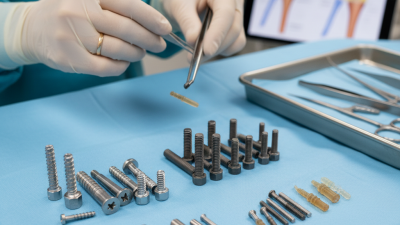
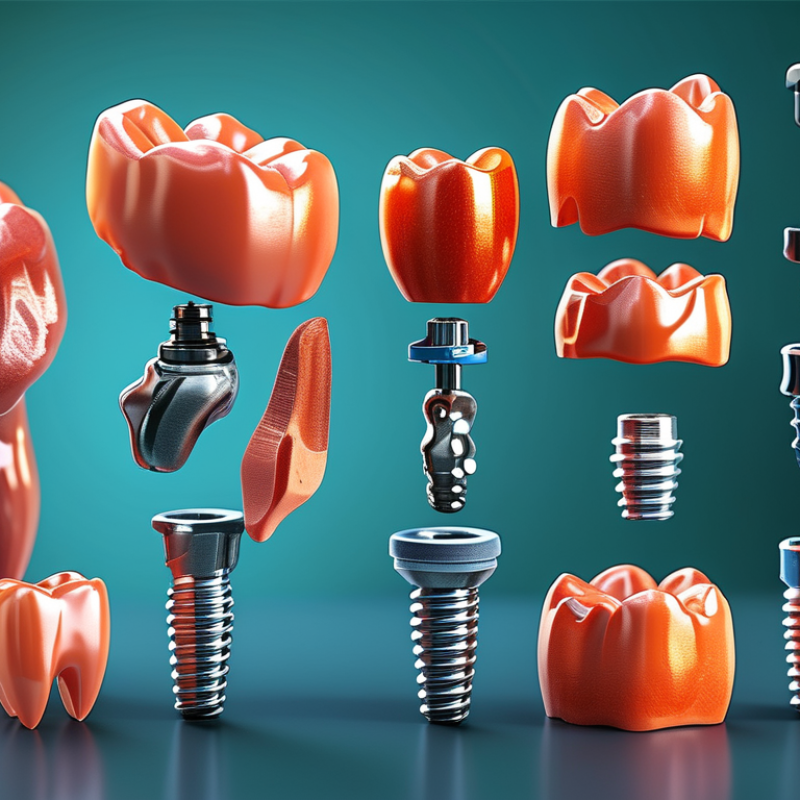
When considering medical implants, it is important to understand the various types available. There are orthopedic, dental, and cardiovascular implants, among others. Each type serves a specific function and comes with its own set of materials and risks. For instance, orthopedic implants, often made of titanium or stainless steel, are used to support broken bones and joints. Their longevity is well-documented, but complications can arise from infections or rejection.
There are important factors to consider when selecting an implant. Your health history, age, and lifestyle can all impact the choice. Some implants may require regular check-ups or replacements, while others are designed for permanent use. An essential aspect of this decision is the consultation with a medical professional. They can offer insights based on your particular case, helping to minimize risks and optimize outcomes.
Choosing the right implant isn't perfect. Sometimes, patients may experience discomfort or complications even with the best choices. It's vital to remain proactive about your health. Keeping open lines of communication with your healthcare provider is crucial. Ask questions about your implant’s materials and long-term implications. Understanding these factors can empower you to make a well-informed decision.
Assessing Your Medical Condition and Needs for Implant Selection
Choosing the right medical implants requires a thorough understanding of your medical condition. Doctors often rely on diagnostic imaging, like MRIs or CT scans, to assess your health. For instance, the American Academy of Orthopaedic Surgeons reports that over 1 million hip and knee replacements are performed annually. This figure underscores the importance of personalized implant selection.
For joint replacements, age and activity level matter. Younger patients might require more durable materials. In contrast, older patients may consider ease of recovery. Evaluating your unique needs could involve discussions with surgeons about potential outcomes and risks.
Listen to your healthcare provider's advice carefully. They have the experience to guide you in selecting implants that can greatly affect your quality of life. Don't shy away from asking questions about the types of implants available. Ensure that you are well-informed about their benefits and limitations. Balancing information with personal health goals is essential for making the best decision.
Evaluating Risks and Benefits of Various Medical Implants
When considering medical implants, evaluating risks and benefits is crucial. Many patients feel overwhelmed by decisions surrounding implants. According to a 2022 report from the National Institute of Health, nearly 30% of patients experience complications post-implantation. These complications range from infection to implant failure. Understanding these risks helps in making informed choices.
Benefits are equally significant. For instance, a study published in the Journal of Bone and Joint Surgery found that 85% of patients reported improved quality of life post-implant.
However, the experience of others doesn't guarantee success for everyone. Each individual’s health status can affect outcomes. Unique factors such as age, underlying conditions, and lifestyle must be considered when weighing options.
Decision-making is rarely straightforward. Patients should engage in discussions with healthcare providers. This dialogue helps clarify each implant's long-term implications. A thorough assessment may reveal that what works for one may not be ideal for another. It’s imperative to remain critical and reflective about the potential for failure and complications when choosing the right medical implant.
Consulting Healthcare Professionals for Expert Recommendations
When considering medical implants, consulting healthcare professionals is crucial. They provide expert recommendations based on your specific health needs. These experts include doctors, surgeons, and specialized nurses who understand the intricacies of various implants. Their insights can guide you in making informed decisions tailored to your condition.
Assessing your health history is vital. Have you experienced allergic reactions before? Are you currently on medication that might affect your recovery? These factors are significant and may influence the type of implant recommended. Hence, a thorough discussion with your healthcare provider is essential to identify risks and benefits.
Familiarize yourself with implant options available. Research various types, focusing on their uses and limitations. Some might have better compatibility with certain conditions. Seek clarity on potential complications, as they are a reality. Engaging with healthcare professionals can demystify these concerns. Remember, some choices may not always be straightforward, and discussions might lead to unexpected insights.
Post-Implant Care and Maintenance for Optimal Performance
Post-implant care is essential for ensuring the longevity and effectiveness of medical implants. Regular follow-ups with a healthcare provider are crucial. They monitor the implant's integration with the body and check for any signs of complications. Patients should keep track of their symptoms and report any changes immediately. This can prevent minor issues from escalating into larger problems.
Maintaining a healthy lifestyle post-surgery is equally important. A balanced diet can enhance healing and support the implant. Adequate hydration and proper nutrition help foster recovery. Engage in light physical activity, as recommended by your physician. However, avoid high-impact exercises that could place undue stress on the implant. Remember, your body needs time to adjust.
Reflecting on your experience with the implant may reveal challenges. There might be discomfort or limitations in movement. It’s important to discuss these feelings with your doctor. They can provide guidance and suggestions. Taking an active role in your recovery leads to better overall outcomes. Listening to your body is just as vital as following medical advice.