10 Essential Tips for Choosing Orthopedic Surgical Plates
When it comes to orthopedic surgical plates, choosing the right one is crucial for patient outcomes. These plates serve as vital support for broken bones, aiding in their healing process. However, not all orthopedic surgical plates are created equal. Each type has unique features and functions, tailored for different conditions and needs.
Many factors come into play when selecting the appropriate plate. The material, size, and design can significantly impact the healing process. Surgeons must consider the specific injury and the patient’s overall health. A poorly chosen plate can lead to complications, such as delayed healing or even re-fractures.
Understanding the essential attributes of orthopedic surgical plates is essential for both surgeons and patients. Not every plate will fit every situation. Engaging in careful thought about these factors can lead to better surgical outcomes. Ultimately, the right choice reflects not only expertise but also an understanding of patient needs.
Understanding Different Types of Orthopedic Surgical Plates
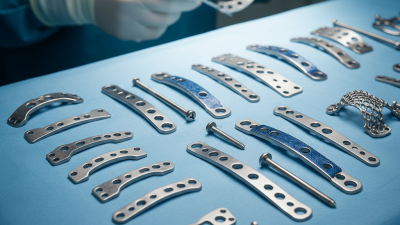
When choosing orthopedic surgical plates, it’s crucial to understand the different types available. These plates are key in stabilizing fractures, ensuring proper healing. Common types include locking plates and non-locking plates. Locking plates feature screws that engage with the plate, providing extra stability. This is beneficial for complex fractures. Non-locking plates are simpler and used for straightforward scenarios. They often allow for better management of soft tissues.
Material choice is another important factor. Stainless steel and titanium are popular due to their strength and biocompatibility. Each material has pros and cons. For instance, titanium is lighter and resistant to corrosion, but it can be more expensive. The thickness of the plate is also critical. Thicker plates may provide more stability but can lead to complications if they exert too much pressure on surrounding tissues.
Surgeons must assess the fracture type and the patient’s individual circumstances. Not every plate suits every patient. Failure to choose appropriately can lead to poor outcomes. It’s essential to remain flexible and adapt to specific needs during surgery. Making informed decisions can improve recovery times and overall satisfaction.
10 Essential Tips for Choosing Orthopedic Surgical Plates - Understanding Different Types of Orthopedic Surgical Plates
| Plate Type |
Material |
Indication |
Advantages |
Disadvantages |
| LCP (Locked Compression Plate) |
Titanium |
Fractures with poor quality bone |
Stable fixation, minimal soft tissue irritation |
Requires specific screws, higher cost |
| DCP (Dynamic Compression Plate) |
Stainless Steel |
Simple fractures |
Effective compression, versatile |
May not be suitable for osteoporotic bones |
| T plates |
Titanium |
Fractures of the distal femur |
Proven stability, good for angular stability |
Complex application |
| Neutralization Plates |
Stainless Steel |
Stabilizing fractures with lag screws |
Added support, versatile application |
Less effective alone for unstable fractures |
| Buttress Plates |
Titanium |
Fractures at the joint surface |
High mechanical strength, joint support |
Limited application field |
Factors to Consider When Selecting Surgical Plates for Orthopedic Use
When selecting surgical plates for orthopedic use, various factors come into play. The
material of the plate significantly affects its performance.
Titanium and stainless steel
are commonly used for their strength and biocompatibility. According to industry reports, stainless steel offers
high tensile strength, making it effective for many applications.
However, titanium is lighter and might reduce the overall load on fractures during healing.
Another crucial factor is the plate design.
Locking plates provide better stability and the ability to support
complex fractures. A study published in the Journal of Orthopedic Research
indicated that locking plate systems can lead to improved outcomes, particularly in osteoporotic patients.
Surgeons often consider the specific anatomical requirements when choosing plate configurations. For instance,
plates should contour to the bone surface to enhance stability.
Tips to consider include assessing patient age and
bone quality before selection. Younger patients may
require stronger plates due to higher activity levels. Additionally, always verify the plate dimensions
and bendability, as inadequate sizing can lead to complications.
Regularly reviewing the latest research and guidelines in orthopedics can foster informed decisions, improving patient care.
Evaluating Material Choices in Orthopedic Surgical Plates
When selecting orthopedic surgical plates, the choice of materials is crucial. Different materials offer varying levels of strength, biocompatibility, and durability. Stainless steel remains popular due to its excellent mechanical properties. However, titanium has gained traction for its lighter weight and corrosion resistance. Understanding the differences can significantly impact recovery outcomes.
Bioactive materials, like polymer composites, are also worth considering. They can promote bone integration while being lightweight. Yet, they may not have the same load-bearing capacity as metal plates. This trade-off must be carefully evaluated to meet each patient's specific needs. Often, surgeons face dilemmas when weighing the pros and cons of various materials.
There is no one-size-fits-all solution. Research is essential to understand how material choices affect healing. Each patient's anatomy and lifestyle must also be considered. Doctors should remain transparent about the limitations of each material choice. This open dialogue can lead to better-informed decisions and enhanced patient satisfaction.
Assessing the Biomechanical Properties of Surgical Plates
When choosing orthopedic surgical plates, assessing biomechanical properties is crucial. Biomechanical properties determine how well plates can withstand stress and strain. These features include tensile strength, stiffness, and fatigue resistance. A plate that fails under load can jeopardize healing and lead to complications.
Tip: Look for plates made from materials that provide a balance of strength and flexibility. Ideally, these materials should mimic bone properties, reducing stress concentration at the fracture site.
It's also vital to consider the design of the surgical plates. Some plates feature contoured shapes that better fit anatomical structures. This can enhance stability during the healing process. However, a mismatch in design may lead to improper load distribution.
Tip: Evaluate the plate's ability to distribute forces evenly. Uneven force distribution can result in plate failure or delayed healing. Remember, even minor design flaws can significantly impact outcomes in surgery. Remain vigilant about these details in your selection process.
The Importance of Compatibility with Fixation Devices in Plate Selection
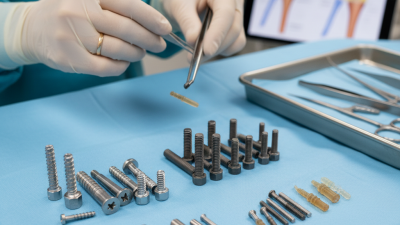
Choosing the right orthopedic surgical plate is not just about the metal. Compatibility with fixation devices is crucial. When selecting a plate, consider the specific screws or pins that will be used. An ideal plate should fit seamlessly with the associated hardware. This ensures stability and promotes effective healing.
Incompatibility can lead to complications. Misalignment may cause pain or hinder recovery. It's essential to assess the design and dimensions of both the plate and fixation devices. Look for plates that offer versatile options. Options that allow for different angles or orientations can enhance fit and function. The right combination can lead to better outcomes.
Experience matters in this selection process. Professionals must evaluate past cases and consult with peers. Reflecting on previous surgeries helps refine choices. Not every combination will work perfectly. This highlights the importance of thorough planning and attention to detail. Careful consideration is key to ensuring that hardware works harmoniously with the chosen plate.