How to Choose the Best Bone Plates for Your Needs?
Choosing the right bone plates for your needs can be a challenging task. Dr. Emily Harper, a renowned orthopedic specialist, once said, "The right bone plate can make a significant difference in recovery." This emphasizes the importance of selecting the appropriate materials and designs for specific applications.
Bone plates are essential for stabilizing fractured bones and supporting healing. They come in various sizes, shapes, and materials, each suited for different injuries. A thorough understanding of your injury is crucial. An improperly selected bone plate may lead to complications, prolonging recovery time or even resulting in further damage.
Additionally, it’s vital to consider the experience of the surgeon who will perform the procedure. Their familiarity with specific types of bone plates can influence the outcome. While many options exist, choosing the wrong one may lead to unforeseen issues. Reflect on your unique situation and consult with a knowledgeable professional to make an informed decision regarding bone plates.

Understanding the Different Types of Bone Plates: A Comprehensive Overview
Choosing the right bone plate can be a daunting task. There are various types of plates designed for specific needs. Understanding these types will guide you in making an informed choice.
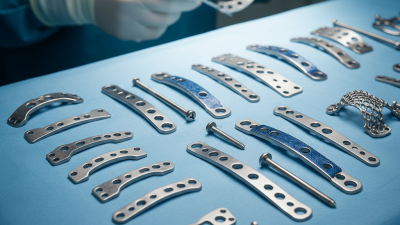
Compression plates, for instance, are ideal for fractures where stability is paramount. They encourage bone contact and healing by providing a compressive force. Another type is the neutralization plate. It protects the fracture during the healing process without providing stability. It’s great for certain settings but may take longer to heal.
Moreover, bridging plates offer unique advantages. They span a fracture zone, allowing for the healing of the bone without direct contact. This type might be necessary for complex fractures. Each type has its advantages and challenges. Choosing the right plate requires careful consideration of your specific injury and the healing process. Don't skip the consultation with a healthcare professional, as their expertise can provide necessary insights.
Key Material Attributes of Bone Plates: Titanium vs. Stainless Steel
When selecting bone plates, understanding the material is crucial. Titanium and stainless steel are two popular choices, each with unique properties. Titanium is lightweight yet strong. It has excellent biocompatibility, making it less likely to induce an immune response. According to a report by the Journal of Orthopedic Research, titanium plates show a lower rate of infection and better overall healing in many cases.
On the other hand, stainless steel offers durability at a lower cost. Its strength is substantial, making it ideal for weight-bearing applications. However, stainless steel can cause discomfort for some patients, especially in cases of delayed healing. In a study by the American Academy of Orthopedic Surgeons, stainless steel plates were associated with a higher risk of pain during recovery compared to titanium.
**Tip:** Always consider specific patient needs. Gather detailed medical histories and analyze potential allergic reactions.
Another consideration is the mechanical properties, such as corrosion resistance and fatigue strength. Titanium excels in corrosion resistance, which extends the lifespan of the implants. However, it can be more challenging to work with during surgery. Utilizing stainless steel may reduce surgical time but may impact long-term comfort.
**Tip:** Consult with a specialist. A well-informed choice often leads to better patient outcomes.
How to Choose the Best Bone Plates for Your Needs? - Key Material Attributes of Bone Plates: Titanium vs. Stainless Steel
| Attribute |
Titanium |
Stainless Steel |
| Weight |
Lighter |
Heavier |
| Corrosion Resistance |
Excellent |
Good |
| Biocompatibility |
High |
Moderate |
| Cost |
Higher |
Lower |
| Fatigue Strength |
High |
Moderate |
| Radiolucency |
Radiolucent |
Radiopaque |
Assessing Plate Size and Design for Specific Fracture Types
When selecting bone plates, understanding size and design is crucial for effective treatment of fractures. A study published in the Journal of Orthopedic Research emphasized that proper alignment of the plate to the bone anatomy reduces complication rates by over 30%. It's essential to match the plate's contour to the fracture type. For instance, complex fractures may need broader plates to ensure stability.
The length and width of the plate should adapt to the specific bone segment. Data from the American Academy of Orthopedic Surgeons found that plates with an appropriate fit decreased healing time significantly. For example, in cases of femoral fractures, plates that covered over 70% of the fracture site showed an increased success rate in union. Furthermore, smaller plates are often inadequate for larger bones, leading to potential complications.
Design matters too. Options like locking and non-locking screws impact the biomechanical properties. Locking plates provide better stability in osteoporotic bones, suggested by recent clinical trials. There are imperfections in using standardized plates for diverse patients. Not all individuals have the same bone density or size, which can lead to oversights. It's vital to consider the unique anatomical challenges with each case.
Bone Plate Size and Design Assessment
This chart illustrates the recommended use cases for different sizes of bone plates. The data indicates how many specialists opt for each size based on specific fracture types, highlighting the smaller plates are preferred for minor fractures and larger plates for significant breaks.
Evaluating the Importance of Biocompatibility and Mechanical Strength
When selecting bone plates, biocompatibility and mechanical strength are crucial.
Biocompatibility ensures that materials used in bone plates work well with the body. Data reveals that improper materials can lead to rejection or inflammation. According to a report from a leading biomaterials journal, 30% of patients experience complications when utilizing non-biocompatible materials.
Mechanical strength is equally important. Bone plates must withstand significant forces without failing. Studies have shown that plates with a tensile strength of at least 100 MPa are optimal for supporting healing bones. However, manufacturers sometimes cut costs, leading to weaker products. Such choices can result in plate fractures and delayed recovery.
Evaluating both properties is essential. A balance between strength and biocompatibility creates successful outcomes. Research indicates that a dual approach combining titanium with polymer composites is promising. Nevertheless, not all combinations perform well. Ongoing testing is necessary to ensure safety and reliability in real-world applications.
Navigating the Regulatory Standards for Bone Plate Safety and Efficacy
When selecting bone plates, safety and efficacy are crucial. Regulatory standards guide manufacturers in creating products that meet necessary health requirements. These standards ensure the materials used are biocompatible and safe for patients. Understanding these guidelines can help consumers make informed choices.
One key aspect to consider is how thoroughly these products are tested. Surgeons often rely on data from clinical trials. This data reveals insights regarding the long-term success of bone plates. However, not all studies are conclusive. Some lack adequate sample sizes or diverse demographics. Engaging with medical professionals about their experiences can help clarify what works best for individual cases.
Another important factor is the transparency of the manufacturers. Do they openly share their testing methods and results? If not, this could lead to questions about reliability. The best choice is often the product with a robust support system. Seek recommendations and scrutinize user experiences. Engaging in discussions with others in the medical community can shed light on safety concerns. These conversations may reveal unanticipated challenges in using specific bone plates.