How to Choose Orthopedic Surgical Instruments?
Choosing orthopedic surgical instruments is not a matter of filling a tray with impressive-looking tools. It is a clinical decision shaped by anatomy, procedure type, surgeon preference, sterilization systems, and patient safety. A revision knee case may require different retractors, saw blades, trial components, and extraction tools than a primary replacement. Small details matter. A handle that slips under a wet glove can change control at a critical moment.
Dr. Atul Gawande, surgeon and patient-safety researcher, observed, “The volume and complexity of what we know has exceeded our individual ability to deliver its benefits properly.” This principle applies directly to orthopedic surgical instruments names. Teams must understand each instrument’s purpose, compatibility, maintenance needs, and limitations. A catalog name alone is not enough. The instrument must fit the surgical workflow.
This guide examines how to compare orthopedic surgical instruments names without relying on appearance or price alone. It considers material quality, ergonomic design, tip accuracy, imaging compatibility, cleaning access, and documented performance. Reusable instruments need careful inspection after every cycle. Disposable items require controlled storage and clear expiration checks. No selection chart is perfect. Surgeons may also discover that a familiar instrument creates unnecessary difficulty in a specific case. That uncomfortable finding deserves attention. The best choice supports precise movement, clear visualization, and consistent results while reducing avoidable handling problems. Practical judgment remains essential.
Understanding the Purpose and Scope of Orthopedic Surgical Instruments
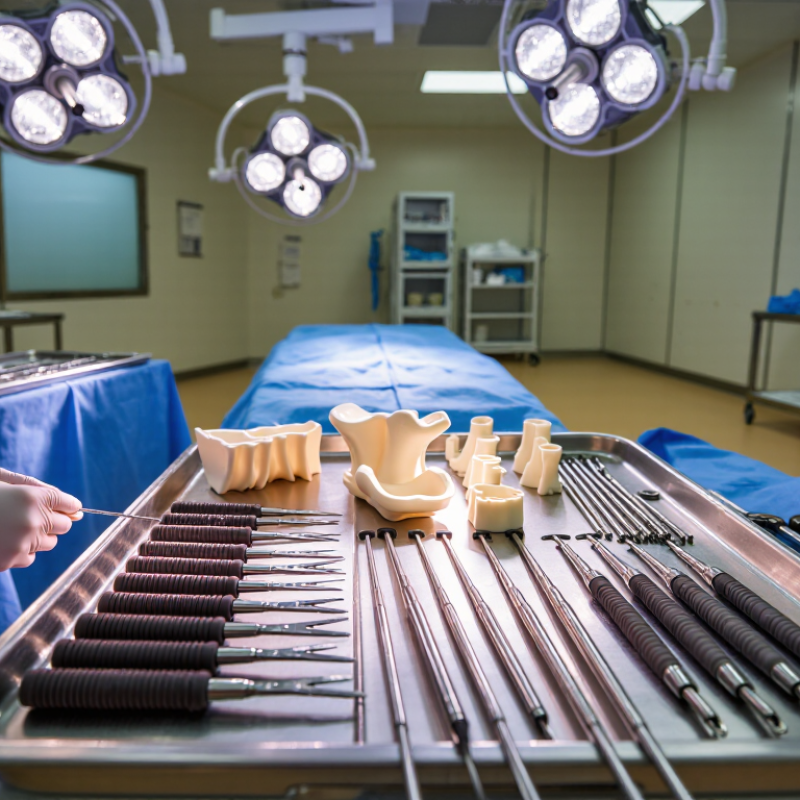
Choosing orthopedic surgical instruments begins with understanding their purpose and clinical scope. A bone saw, reduction clamp, drill guide, and retractor support different surgical decisions. Their design affects control, visibility, tissue protection, and procedural speed. WHO reports that musculoskeletal conditions affect about 1.71 billion people worldwide. This burden increases demand for reliable orthopedic procedures and properly selected instruments.
Instrument selection should match the anatomy, surgical approach, and expected bone quality. Surgeons should assess handle balance, jaw alignment, cutting precision, corrosion resistance, and compatibility with sterilization systems. A 2023 report from the American Joint Replacement Registry highlights the continuing growth of hip and knee replacement data collection. That trend makes traceability and consistent instrument performance more important. Yet, catalog specifications can look better than daily performance. Real operating-room feedback still matters. It is easy to overlook.
Tips: Build trays around procedures, not convenience. Check every instrument under bright light. Test locking mechanisms before sterilization. Record maintenance issues after each case. Staff feedback can reveal awkward grips, poor visibility, or unnecessary duplicates. Also, confirm that instruments support the facility’s cleaning workflow. A technically advanced tool may fail when its joints retain biological debris. Selection should involve surgeons, nurses, sterile-processing specialists, and procurement teams. No single metric is enough. Cost matters, but replacement frequency and operating delays may matter more.
Identifying Essential Instrument Types for Different Procedures
How to Choose Orthopedic Surgical Instruments?
Instrument selection should begin with the procedure, not the catalog. The Lancet Commission on Global Surgery estimated that about 313 million operations occur worldwide each year. Orthopedic teams therefore need clear, repeatable tray planning. For fracture fixation, choose reduction forceps, bone-holding clamps, depth gauges, drills, taps, screwdrivers, and torque-limiting handles. Osteotomes, rongeurs, and oscillating saws support bone preparation. Retractors must expose tissue without excessive pressure.
Joint replacement requires broaches, rasps, trial components, impactors, alignment guides, and canal preparation tools. Arthroscopy needs a camera system, graspers, probes, shavers, punches, and fluid-management accessories. Spinal procedures often depend on dilators, nerve-root retractors, Kerrison punches, curettes, and controlled screw-placement tools. Small details matter. A poorly balanced handle can increase hand fatigue during long cases. The World Health Organization’s Global Guidelines for Safe Surgery also stresses instrument availability, counting, and sterility checks before incision.
I have learned that larger trays do not always improve readiness. They can slow counting and hide missing essentials. A lean tray should still include backups for predictable failure points, such as a dull drill or damaged driver. The CDC’s National Healthcare Safety Network reports show why procedure-specific surveillance matters; instrument processing must match the surgical risk and workflow. Review compatibility, cleaning instructions, sterilization limits, and staff familiarity before approval. Preferences should be tested in realistic simulations, not chosen from paper specifications alone.
Evaluating Materials, Design, Precision, and Ergonomic Features
Choosing orthopedic surgical instruments requires more than checking a catalog photograph. In the operating room, material quality affects sterilization, corrosion resistance, and tactile confidence. Surgical-grade stainless steel should maintain hardness without becoming brittle. Titanium can reduce weight, yet it may feel different during forceful manipulation. Ask for documented material specifications, surface testing, and validated reprocessing instructions. Do not accept vague claims. A polished surface should feel smooth under gloved fingers, with no pits near the hinge or serrations.
Design should match the procedure and the surgeon’s actual hand position. A rongeur needs controlled jaw closure, while a retractor needs stable tension without sudden slipping. Check joint alignment under light pressure. The tips should meet evenly, not twist or leave a visible gap. Precision is not measured only in millimeters; it also means repeatable movement after cleaning cycles. In my experience, small locking mechanisms can save time, but they may collect residue. That detail is easy to miss. A simple design may be easier to inspect, although it can offer less adjustment.
Ergonomic features deserve a practical trial. Handles should support a neutral wrist, distribute pressure across the fingers, and remain secure with wet gloves. Excessive texture can create pressure points during long procedures. Test the instrument with the intended gloves, not bare hands. Weight balance matters. A heavy tip may cause fatigue even when total weight seems acceptable. Document feedback from surgeons, nurses, and sterile-processing staff. Their opinions may conflict, and that is useful. Reassess the choice after repeated clinical simulations, because first impressions are sometimes wrong.
Checking Sterilization, Maintenance, Safety, and Compatibility Requirements
Choosing orthopedic surgical instruments requires more than comparing steel grades or handle shapes. Sterilization, maintenance, safety, and compatibility determine whether an instrument performs reliably under pressure. The World Health Organization’s Global Guidelines for the Prevention of Surgical Site Infection report that surgical site infections affect about 11% of surgical patients in low- and middle-income countries. The CDC also reported that approximately one in 31 U.S. hospital patients has a healthcare-associated infection on any given day. These figures make reprocessing decisions clinically important.
Check whether each instrument has clear manufacturer instructions for use, including cleaning, lubrication, packaging, and sterilization limits. AAMI ST79 recommends validated steam sterilization practices and routine monitoring. Inspect hinges, serrations, cannulation, insulation, and locking mechanisms under bright light. Small bone debris can remain inside narrow channels. That is easy to miss. Confirm compatibility with trays, power systems, imaging environments, and implant procedures. Mixed materials may corrode or become damaged during repeated cycles. Maintenance records should include inspection dates, repair history, and sterilization indicators.
Tips: Ask the sterile processing team to test the complete instrument set, not isolated pieces. Compare real workflow time, not catalogue claims. Replace instruments that remain stiff after proper cleaning. This may feel wasteful, but forcing a defective instrument can create greater risk. Review local failure data every quarter. Perfect decisions are unlikely; documented reflection improves them.
Comparing Quality, Regulatory Compliance, Cost, and Supplier Support
Choosing orthopedic surgical instruments requires more than comparing prices. In operating-room evaluations, engineers inspect joint alignment, surface finish, locking force, and corrosion resistance. A reusable instrument should move smoothly and remain predictable after repeated cleaning cycles. Small defects matter. A rough box lock can trap soil, while poor balance may increase hand fatigue during long procedures. ISO 13485 certification supports a controlled quality system, but it does not replace independent inspection or clinical feedback.
Regulatory compliance should be verified before purchase. The FDA’s Quality Management System Regulation, effective February 2, 2026, incorporates ISO 13485:2016 requirements for medical-device manufacturers. Buyers should request traceability records, validation evidence, sterilization instructions, and post-market complaint procedures. The FDA’s Medical Device Reporting program also shows why vigilance matters: manufacturers and importers must report information that may indicate serious device problems. Documentation can look complete and still be weak. Ask who owns corrective actions.
Cost analysis should include the full service life. The WHO Global Spending on Health 2024 report placed global health expenditure at US$9.8 trillion in 2021, making wasteful procurement increasingly difficult to justify. Compare purchase price, expected cycle life, repair time, replacement parts, training, and instrument availability. Supplier support is practical, not decorative. Response-time commitments, loaner availability, cleaning guidance, and local technical service can prevent procedure delays. A cheaper set may become costly after one missing clamp or delayed repair. Procurement teams should test representative instruments in realistic surgical workflows before signing long-term agreements.