What Are the Top Types of Surgery Instruments?
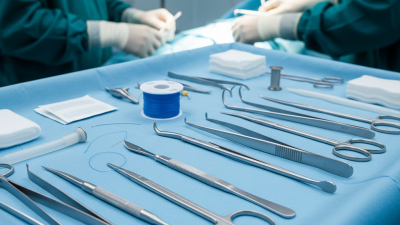
An operating room depends on instruments that look simple but perform highly specific tasks. A clamp controls bleeding; a retractor holds tissue aside; a needle holder guides a suture through a precise point. Together, these tools help surgical teams work with control and visibility. The category called surgery instruments is broad, and its boundaries can be blurry.
The scale of surgical care helps explain why instrument knowledge matters. Weiser and colleagues estimated that 234.2 million major operations took place worldwide in 2004, in an analysis published in The Lancet in 2008. This is a historical estimate, not a current annual count. Still, it shows the enormous range of procedures that rely on dependable instruments. Details matter.
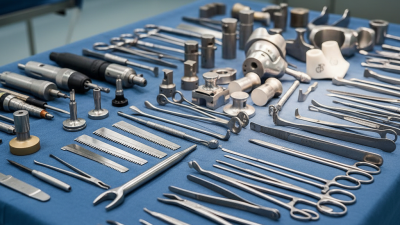
Common groups include cutting and dissecting instruments, graspers and forceps, clamps, retractors, needle holders, suction devices, and specialized endoscopic tools. Each serves a different purpose, and some instruments fit more than one category. A scalpel makes an incision; a hemostat compresses a vessel; a laparoscopic grasper reaches tissue through a small port. The metal shapes, hinges, and tips are not decorative. They affect how an instrument handles and where it can be used. Yet no single ranking works for every specialty. This is an imperfect shorthand: the “top” types depend on the operation, the tissue involved, and the clinical team’s technique. Understanding the main families offers a practical starting point for comparing their functions, design features, and roles in modern surgery.
How Surgical Instruments Are Grouped by Function
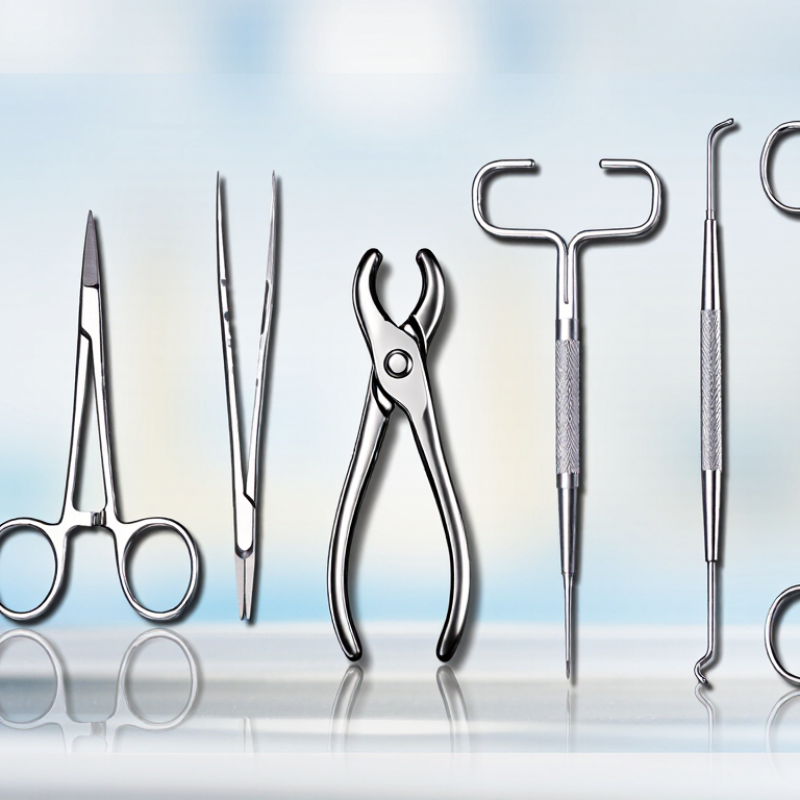
Surgical instruments are often grouped by the job they perform, rather than by their shape. This makes a tray easier to understand and helps clinical teams check that the right tools are available. The categories are useful, though not perfect. Some instruments serve more than one purpose.
Cutting and dissecting instruments include scalpels and surgical scissors. They are designed to make controlled cuts or separate tissue. Grasping instruments, such as forceps, help hold tissue or handle small materials. Clamps can control bleeding or temporarily close a vessel. Their jaws vary: some have fine teeth, while others have smooth surfaces for delicate handling. Small differences matter.
Retractors hold tissue aside so the operative area remains visible. Suction instruments remove fluid and help maintain a clear field. Suturing instruments, including needle holders, support the placement of stitches. A tool’s function can depend on its size, tip, and the tissue involved. In practice, boundaries blur, and a familiar-looking instrument may have a distinct purpose. Careful identification, inspection, and appropriate reprocessing are essential parts of instrument use.
Cutting and Dissecting Instruments
Cutting and Dissecting Instruments
Cutting and dissecting instruments help clinicians make controlled incisions and separate tissue during surgery. A scalpel, with its small, sharp blade, is commonly used for precise incisions. Scissors can cut tissue or sutures, depending on their design and intended use. Curved blades can improve visibility in some working areas, while straight blades suit other tasks. The right choice depends on the tissue, procedure, and the clinician’s training.
Small details matter. A blunt tip may help separate tissue with less risk of accidental puncture, while a sharp tip allows more precise entry. These tools are not interchangeable, and technique matters as much as instrument design. In practice, even experienced teams may prefer different patterns for similar tasks. That variation is worth considering when selecting instruments for a procedure. Instruments should be inspected for damage and handled according to the facility’s protocols.
Tips: Match the instrument to the task and tissue. Keep blades sharp and scissors aligned, since worn or misaligned edges can require extra force. Use a stable grip and maintain a clear view of the working area. If an instrument feels difficult to control, pause and reassess rather than forcing the cut. Safety depends on training, sound judgment, and established clinical procedures.
Grasping and Tissue-Holding Instruments
Grasping and tissue-holding instruments let surgeons handle tissue with controlled pressure. Common examples include toothed forceps for firmer tissue, atraumatic forceps for delicate structures, and needle holders for suturing. Hemostatic clamps may look similar, but their primary purpose is controlling blood vessels, not holding tissue for every task. Small differences matter. A fine tip can improve precision, while excessive force may crush or tear tissue. The right choice depends on the tissue, procedure, and surgeon’s technique.
Instrument condition matters, too. Before use, teams check alignment, jaw closure, tip damage, and clean movement; worn serrations can slip or grip too harshly. This distinction is easy to overlook. The World Health Organization’s 2009 multicentre study in the New England Journal of Medicine reported that major complications fell from 11.0% to 7.0% after a surgical safety checklist was introduced; deaths declined from 1.5% to 0.8%. Those results do not compare instrument types, but they underline the value of consistent checks and team communication. A checklist cannot replace careful handling. Nor does a “gentle” instrument guarantee gentle technique.
Common grasping and tissue-holding forceps have two opposing jaws. Their grasping characteristics differ mainly in jaw shape and surface—for example, toothed, smooth, or atraumatic designs.
Clamping and Retracting Instruments
Clamping and retracting instruments help surgical teams control bleeding and maintain a clear view of the working area. Hemostatic clamps temporarily compress blood vessels, while tissue clamps hold selected structures during a procedure. Their jaws may be straight or curved, and their tips can have different patterns of teeth or grooves. These details affect grip and tissue pressure. Small details matter.
Retractors move tissue aside so clinicians can see and reach the operative site. Handheld retractors require someone to maintain their position; self-retaining designs use a locking mechanism to hold an opening. A narrow blade may suit a confined area, while a broader blade can spread pressure across more tissue. The choice depends on anatomy, access, and the planned procedure—not simply on instrument size.
Good technique involves controlled pressure and frequent checks of the tissue being held. Too much force can cause unnecessary trauma, while too little may allow a clamp or retractor to slip. That balance is not always obvious in the moment. Instruments should be inspected and processed according to established clinical protocols, with particular attention to hinges, locking mechanisms, and jaw alignment. A clamp that feels stiff or fails to close evenly deserves attention before use. The best choice is the one suited to the task and handled by trained professionals.
Suturing and Wound-Closure Instruments
Suturing and wound-closure instruments help clinicians bring tissue edges together with control and minimal unnecessary handling. A needle holder grips the curved needle, while tissue forceps steady the area. Suture scissors trim the thread after a knot is secured. Simple tools, but their balance and jaw design matter. A slippery grip or poorly matched instrument can make delicate work harder.
Instrument choice depends on the tissue, wound, and clinical setting. Fine needle holders and delicate forceps are commonly used for small, precise work; sturdier instruments may suit thicker tissue. The needle should fit the holder securely without being crushed. That detail is easy to overlook. Reusable instruments also require appropriate inspection, cleaning, and sterilization according to facility protocols and the manufacturer’s instructions.
Good closure is not just about speed. Clinicians consider tissue condition, tension, and the required suture material, then select instruments that support careful handling. Training and local clinical guidance remain essential; an instrument alone cannot ensure a sound result. Even experienced teams may prefer different handle shapes, and that preference deserves consideration rather than dismissal. A comfortable grip can help, though it is only one part of safe, consistent wound care.