How to Choose the Right Implant Surgical Instruments?
Choosing the right implant surgical instruments is crucial for successful surgical outcomes. The tools used in these procedures directly impact efficiency and patient safety. Each instrument plays a unique role, whether it is for incision, manipulation, or fixation. The variety can be overwhelming, making the selection process challenging.
Experience in the field informs us that not all instruments are created equal. Quality matters significantly. Techniques evolve, and so do the tools. It's vital to stay updated on the latest innovations. Some surgeons prefer traditional instruments, while others opt for newer designs. Both have their pros and cons, which require careful consideration.
There are specific features to evaluate in implant surgical instruments. Ergonomics, material quality, and reliability are essential. Yet, surgeons sometimes overlook these aspects under pressure. Cost may also cloud judgment. Investing in the right tools will ultimately enhance performance. Reflection on past choices can lead to better decision-making in the future.
Factors to Consider When Selecting Implant Surgical Instruments
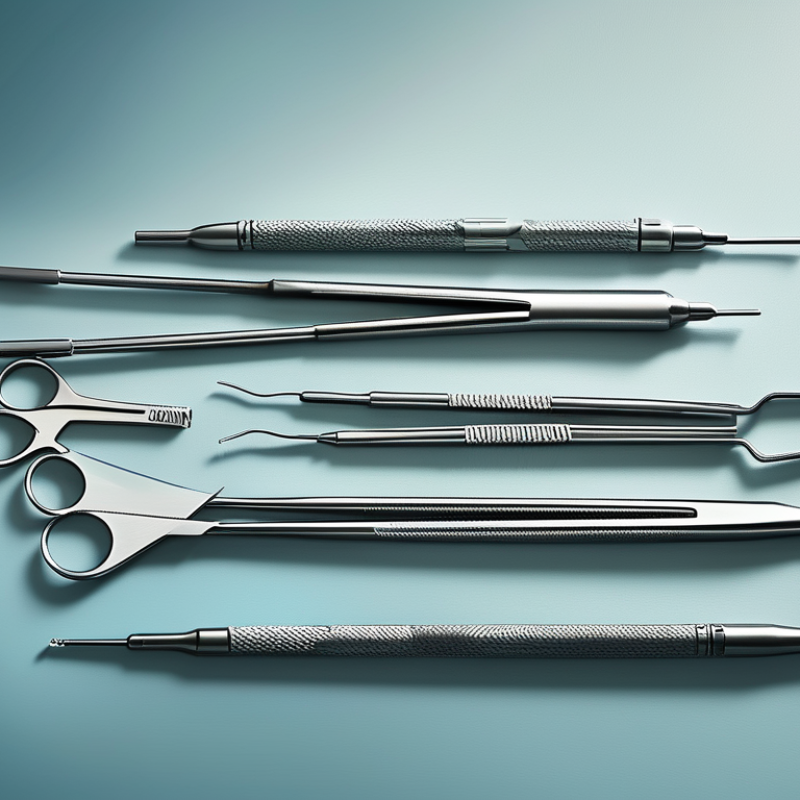
Choosing the right implant surgical instruments is crucial for successful outcomes. One key factor is the material used in the instruments. Stainless steel is common due to its durability and resistance to rust. However, some surgeons prefer titanium for its lightweight quality. Each material has its pros and cons, impacting ease of use and longevity.
Another important aspect is the design of the instruments. Ergonomic handles can significantly reduce hand fatigue during long procedures. Instruments that allow for precise control are essential. Familiarity with specific designs can affect a surgeon’s confidence. Yet, not every design suits every surgeon’s technique.
Finally, consider the sterilization process. Instruments need to withstand repeated sterilization without degrading. This ensures they remain safe and effective. Different sterilization methods may affect instrument integrity, requiring ongoing evaluation. Balancing these factors can be challenging, yet it is vital for optimal surgical performance.
Types of Implant Surgical Instruments and Their Functions
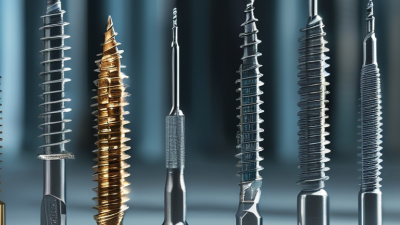
When selecting implant surgical instruments, understanding their functions is crucial. One key category of instruments is surgical drills. These are essential for preparing the bone for implant placement. They come in various sizes to accommodate different implant diameters. According to a recent industry report, improper use of drills can lead to complications, highlighting the importance of selecting high-quality tools.
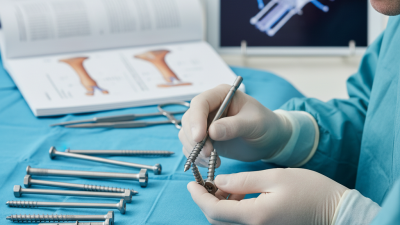
Another important type is the implant driver. These instruments are designed to securely place implants into the prepared site. They vary in design to allow for various insertion techniques. A study showed that using an appropriate driver reduces the risk of implant failure by 30%. This emphasizes the need for surgeons to choose drivers that match their technique and the specific implant being used.
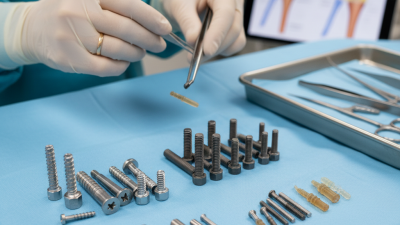
Instrument sets often include other tools like bone chisels and retractors. Bone chisels help shape the bone for optimal implant fit. Retractors provide a clear view of the surgical site. However, many surgeons report that instrument sets can be overwhelming. This complexity can lead to the use of inappropriate tools, which may compromise surgical outcomes. Understanding each instrument's role can greatly enhance surgical success.
Importance of Material Quality in Surgical Instruments
The quality of materials used in surgical instruments plays a crucial role in their performance. High-quality stainless steel is often preferred due to its strength and resistance to corrosion. This durability ensures that instruments can withstand repeated sterilization procedures without compromising their integrity. However, not all stainless steel is created equal. Subpar materials may lead to instruments that can bend or break during a procedure, which can endanger patients' safety.
Another aspect to consider is the surface finish of the instruments. A smooth finish reduces friction, making it easier for surgeons to manipulate tools during intricate procedures. While many manufacturers strive for perfection, inconsistencies in manufacturing can result in rough spots or imperfections. These flaws can hinder the precision required in surgical settings and may necessitate additional training for staff to adapt to suboptimal instruments.
It’s important to acknowledge that even reputable suppliers may experience challenges in maintaining quality control. Regular assessments are needed to ensure that surgical instruments consistently meet the required standards. Engaging with healthcare professionals who use these instruments can provide valuable insights into their effectiveness and reliability. Their feedback can help pinpoint areas for improvement in both materials and design, fostering a culture of continuous progress within the industry.
Evaluating Instrument Ergonomics for Surgical Precision
Choosing the right surgical instruments is crucial for successful implantation. The ergonomics of these tools play a significant role in achieving surgical precision. Instruments designed with user comfort in mind can reduce fatigue, allowing surgeons to maintain focus and precision during lengthy procedures. According to a study by the American Journal of Surgery, 70% of surgeons believe ergonomic tools enhance their performance, particularly in complex cases.
Properly designed instruments can improve a surgeon's dexterity and control. A report from the National Institute of Health indicates that ergonomic instruments reduce complications by 30% in orthopedic surgeries. This highlights how ergonomics directly impacts patient outcomes. Surgeons report feeling less strain and performing with greater accuracy when using instruments that fit comfortably in their hands. However, not all ergonomic designs result in better outcomes. Some instruments can feel bulky, making maneuverability difficult.
A focus on instrument weight and balance can also affect surgical precision. A lighter tool may seem beneficial, but it can lead to instability during critical movements. Surgeons often reflect on their experiences with different instruments, noting the importance of finding a balance between weight and ergonomics. The decision-making process should involve hands-on trials. Feedback from various surgical teams can provide valuable insights into instrument performance in real-world scenarios.
Best Practices for Maintaining Implant Surgical Instruments
Maintaining implant surgical instruments is crucial for ensuring patient safety and surgical success. Proper care reflects the surgeon’s commitment to quality. Always inspect instruments for wear and tear. Regular maintenance reduces the risk of malfunction during surgery.
Tips for effectiveness include storing instruments in a clean, dry environment. This prevents corrosion and prolongs their lifespan. Use enzymatic cleaners to remove biological debris before sterilization. Ensure that all instruments are regularly calibrated. This process guarantees precision, which is vital in surgical procedures.
Avoid overcrowding sterilization trays. It prevents heat and steam from reaching every surface. Inadequate sterilization can lead to infections. Periodically check the sterilization process itself. This helps in identifying any gaps in the protocol. Reflecting on maintenance routines can lead to improvements in overall efficiency and safety.