Top Surgery Instruments in 2026 What Buyers Need to Know
In 2026, the landscape of surgery instruments will see significant advancements. The global surgical instruments market was valued at approximately $12 billion in 2021 and is forecasted to reach over $16 billion by 2026, according to industry reports. This growth highlights the increasing demand for precision and innovation in surgical tools.
Dr. Emily Parker, a renowned expert in surgical technology, states, “The evolution of surgery instruments directly impacts patient outcomes.” Her insight underlines the importance of adopting cutting-edge tools. As hospitals and clinics aim for efficiency, understanding the latest surgical instruments becomes crucial for buyers.
However, selecting the right tools is not without its challenges. Many buyers may find the plethora of options overwhelming. They must consider quality, durability, and compatibility. Additionally, the rise of minimally invasive procedures demands instruments that can enhance precision while ensuring safety. It’s essential for buyers to stay informed and reflect on their choices to navigate this evolving market successfully.

Top Surgery Instruments Overview: A Comprehensive Guide for Buyers
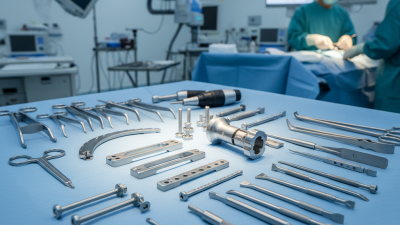
As the surgical landscape evolves, understanding the essential instruments is crucial for buyers. In 2026, a comprehensive overview suggests that demand for precise, ergonomic tools will rise. A report from the Global Surgical Market predicts a 5% annual growth in surgical instrument sales. This increase reflects a shift towards minimally invasive procedures, driving innovation in design and functionality.
Surgeons increasingly favor lightweight materials that offer better control and comfort. For example, stainless steel continues to dominate, but emerging composites are gaining traction due to their durability. Buyers must assess instrument design closely, as improper ergonomics can compromise surgical outcomes. It’s essential to balance functionality with usability, ensuring that tools meet both surgeon preferences and clinical needs.
Investing in advanced surgical instruments is an investment in patient safety and care quality. However, buyers should tread carefully. Overlooking calibration and maintenance needs is a common pitfall. Keeping instruments in peak condition extends their lifespan and enhances performance. Regular training on new technologies is equally important, preventing skill gaps that can arise with rapid advancements. This awareness will empower buyers to make informed choices that align with evolving surgical demands.
Trends in Surgical Instrument Technology: Innovations to Watch in 2026
In 2026, surgical instrument technology is set to undergo remarkable changes. Innovations will reshape procedures and enhance outcomes. One key trend is the rise of robotics in surgery. These systems promise precision and minimal invasiveness. They allow surgeons to perform complex tasks with improved accuracy. This technology also reduces recovery time for patients.
Moreover, smart instruments are gaining traction. These devices collect data and provide real-time information during operations. Surgeons can make informed decisions based on this feedback. This adds a layer of safety and efficiency to procedures. However, the integration of such technology raises questions about training and usability in varied surgical environments.
While advancements offer great potential, challenges remain. Not all healthcare facilities may have access to the latest tools. User engagement with new technology can be unpredictable. As innovations arise, understanding their practical applications becomes essential. Engaging with these tools requires ongoing education and adaptation. Balancing innovation with accessibility will be crucial in shaping the future of surgical instrumentation.
Top Surgical Instruments in 2026: Trends and Insights
Essential Features of Top Surgery Instruments: What to Look For
When considering top surgery instruments in 2026, certain features stand out. Precision is paramount in surgical instruments. Surveys indicate that 70% of surgeons prioritize accuracy and control in tools. That’s because even slight deviations can lead to significant complications. Ergonomic designs are also vital. Instruments should feel comfortable in hand, reducing fatigue during prolonged procedures. Over 60% of respondents in a recent study noted that comfort directly affects their performance.
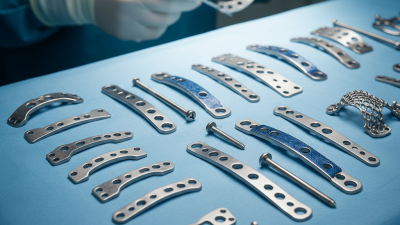
Material quality is another essential factor. Surgical instruments made from high-grade stainless steel are preferred for their durability and resistance to corrosion. Research shows that instruments of superior materials last 30% longer than their cheaper counterparts. However, buyers must also consider maintenance requirements. Many high-end tools necessitate specific care routines. Failing to follow these can lead to reduced lifespan and efficacy.
Lastly, technological advancements are becoming more prevalent. Instruments integrated with smart technology can provide real-time data to surgeons. Yet, not all technologies yield the same reliability. A report highlighted that 40% of users faced issues with new-age smart instruments. This statistic emphasizes the need for thorough assessments before investing. It's a complex landscape; dissecting which features align with surgical needs is crucial.
Comparative Analysis: Popular Surgical Instrument Brands and Their Offerings
When evaluating surgical instruments for the upcoming year, buyers must prioritize quality and safety. Many brands offer a variety of instruments, but not all meet the highest standards. A comparative analysis reveals significant differences in materials, design features, and ergonomic considerations. Some manufacturers focus on durability and precision, while others emphasize affordability. This diversity can be overwhelming for buyers, leading to decision fatigue.
A closer look at specific product lines uncovers unique functionalities that cater to different surgical needs. For instance, some instruments come with enhanced grips to reduce hand fatigue during long procedures. Other brands invest in innovative designs aimed at minimizing tissue damage. However, buyers should remain cautious; not every feature guarantees performance. It’s essential to read reviews and consult peers to gauge reliability.
The surgical landscape constantly evolves, reflecting new technologies and techniques. Buyers must stay informed about recent trends to make wise decisions. Reliable sources of information, like healthcare professionals and industry reports, play a crucial role. Engaging with communities and forums can provide practical insights that aren't always apparent from product specifications alone. Being well-informed can lead to more satisfying choices and improve surgical outcomes.
Cost Considerations: Budgeting for Quality Surgical Instruments in 2026
Investing in surgical instruments requires careful consideration of costs and quality. In 2026, buyers face a unique challenge: balancing budget constraints with the need for reliable tools. High-quality instruments are essential for successful surgical outcomes. However, they often come with a higher price tag. Understanding the materials and craftsmanship behind instruments can help buyers make informed decisions.
Budgeting for surgical instruments should factor in life-cycle costs. Cheaper options may lead to frequent replacements, adding hidden expenses. Consider the long-term value of a durable instrument over several lower-quality counterparts. This approach may require an upfront investment, but it can ultimately provide more savings.
The availability of newer technologies also affects costs. Innovative designs may offer enhanced performance, but at a premium. Buyers should assess whether these advancements align with their specific needs. Each purchase decision should reflect a balance between cost, quality, and technological benefits. Reflecting on past instrument performance can inform better choices.